
Best Food for Boston Terriers: A Feeding Guide
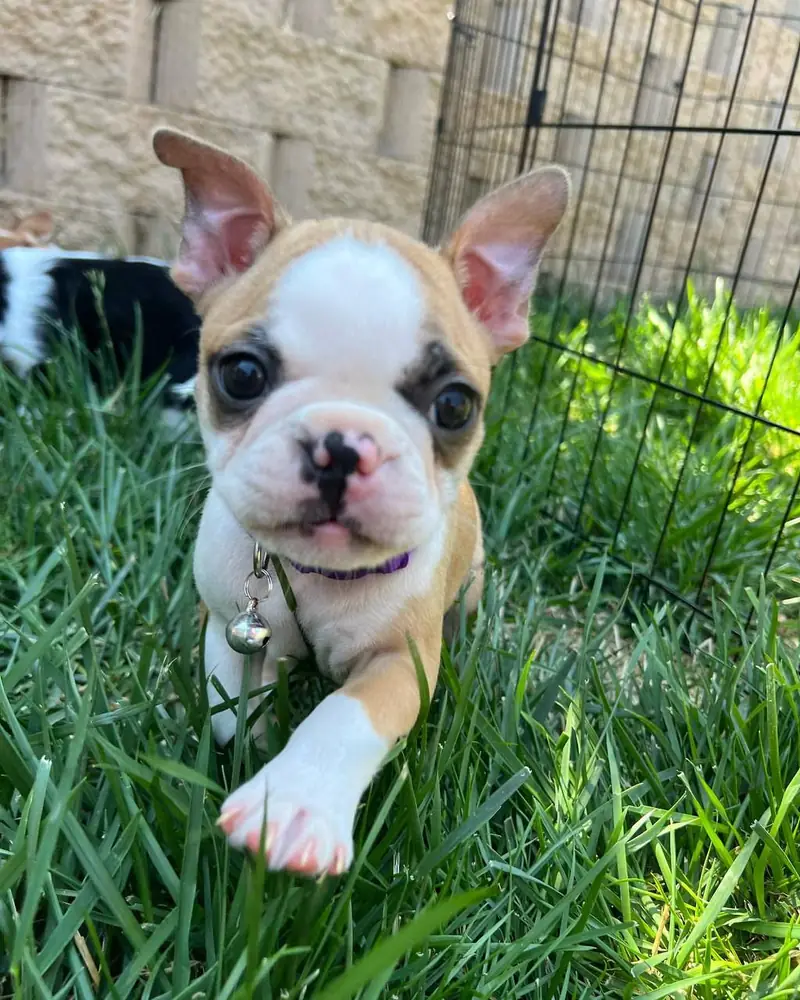
The best Boston Terrier food isn't one particular brand. It's a complete, balanced diet suited to your dog's age, fed in portions that keep them lean. Here's how to choose a food, how much and how often to feed a Boston puppy or adult, and which foods to keep out of reach.
What to Look For in Boston Terrier Food
- "Complete and balanced" on the label: look for a nutritional adequacy statement (based on AAFCO standards) for growth if you have a puppy, or adult maintenance for a grown dog.
- Small-breed formulas: smaller kibble is easier for a short-muzzled dog to pick up and chew.
- A named animal protein near the top of the ingredients, such as chicken, lamb or fish.
- Calories you can control: Bostons gain weight easily, and extra pounds make breathing harder.
Thinking about grain-free? The FDA has investigated a possible link between some grain-free, legume-heavy diets and a heart condition called dilated cardiomyopathy (DCM), so talk to your vet before switching.
Best Food for a Boston Terrier Puppy
Feed a puppy (growth) formula until your Boston is about 12 months old. When your puppy first comes home, keep them on the same food they've been eating. Ask us which food that is. If you want to change, mix the new food in gradually over 7 to 10 days to avoid an upset stomach.
How Much and How Often to Feed a Boston Terrier
| Age | Meals per day |
|---|---|
| 8–12 weeks | 3–4 small meals |
| 3–6 months | 3 meals |
| 6–12 months | 2–3 meals |
| Adult (12 months+) | 2 meals |
For portion size, start with the feeding guide on the bag for your dog's current or expected adult weight, then adjust. You should be able to feel your Boston's ribs easily and see a waist from above. Treats should make up no more than about 10% of daily calories. See typical weights by age in our size and weight guide.
Feeding Tips for a Short-Nosed Breed
- Slow things down: a slow-feeder bowl or puzzle feeder reduces gulping, which means less gas, and Bostons are famously gassy.
- Use shallow bowls so they can reach food comfortably with a flat face.
- Measure every meal rather than leaving food out all day.
- Watch for itching or ear infections: these can be signs of a food allergy, which your vet can investigate with an elimination diet.
Foods Boston Terriers Should Never Eat
These are toxic or dangerous for dogs: chocolate, grapes and raisins, onions and garlic, xylitol (a sweetener found in some gum, candy and peanut butter), macadamia nuts, alcohol, cooked bones and very fatty scraps. If your dog eats any of them, call your vet or an animal poison control line right away.
Diet is one of the biggest factors in a long life. Read more in our Boston Terrier lifespan guide and puppy care guide.
Boston Terrier Food FAQ
What is the best food for a Boston Terrier?
There's no single best brand. Choose a food labeled "complete and balanced" for your dog's life stage, ideally a small-breed formula, and adjust portions to keep them lean. Your vet can help you narrow it down.
How much should I feed my Boston Terrier puppy?
Start with the feeding guide on the food bag for your puppy's expected adult weight, split into three or four meals a day, then adjust so your puppy stays lean, with ribs easy to feel.
Is grain-free food good for Boston Terriers?
Not necessarily. The FDA has investigated a possible link between some grain-free, legume-heavy diets and heart disease in dogs, so talk to your vet before choosing one.
Looking for a Boston Terrier puppy? We have 32 puppies available in Worcester, Massachusetts.